What to Look for in a Neighborhood Pizza Restaurant
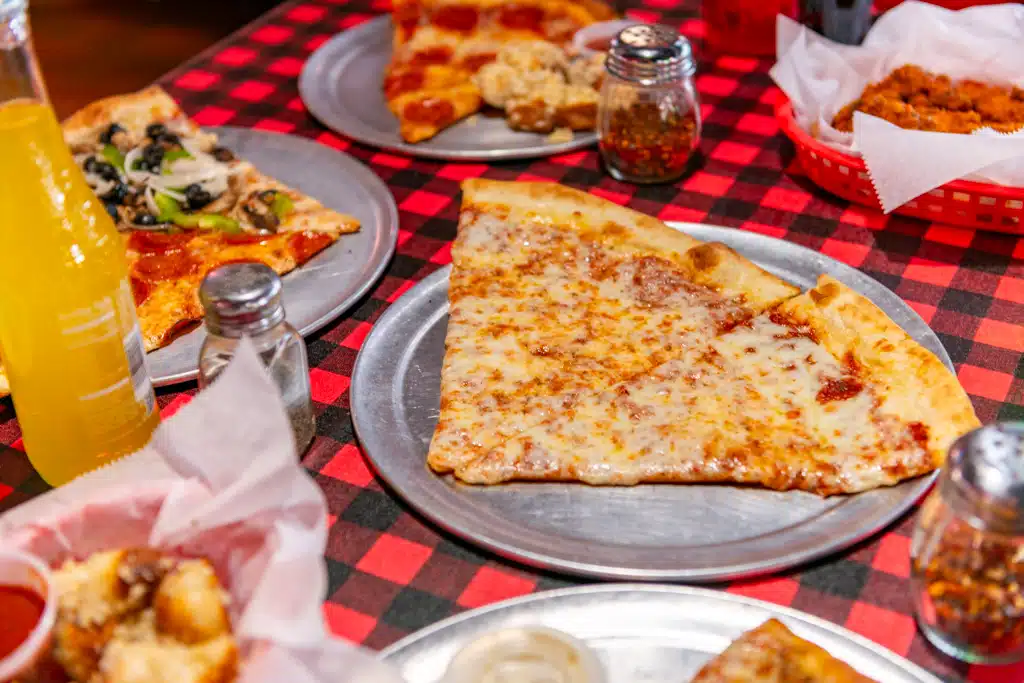
A neighborhood pizza restaurant does not need to be fashionable to be excellent. In fact, the places that become part of local routine are often the least flashy. They are the spots where the person at the register recognizes repeat customers, where the ovens pizza restaurant run steadily through dinner rush, and where the pizza tastes as good on a random Tuesday as it does on a busy Friday night. That consistency matters more than a dramatic dining room or a trendy topping combination.
People often talk about pizza as if it were simple. Dough, sauce, cheese, heat. Anyone who has spent time around a serious pizza operation knows better. Small decisions shape the final pie: how long the dough ferments, whether the sauce is bright or slow-cooked, how the cheese melts, how the crust holds up under toppings, how quickly the pie gets from oven to box or table. In a neighborhood setting, where customers come back again and again, those decisions become visible over time.
If you are choosing a local pizza restaurant, it helps to look past the first impression and pay attention to the habits of the place. A single good meal can happen by chance. A genuinely good neighborhood spot proves itself in repeat visits, in ordinary moments, and in how it handles the everyday realities of service.
Start with the smell, the pace, and the room
Before you even order, a pizza restaurant tells you a lot. Walk in and take a second to notice what is happening. Does the room smell like fresh dough, tomato, toasted cheese, and a hot oven, or does it smell stale, greasy, and tired? A good pizza shop usually has a clean, appetizing aroma. Not perfume, not sanitizer, not old fryer oil covering everything else.
Then look at the pace. Busy is not the same as chaotic. The best neighborhood places often hum. Staff move with purpose, the front counter stays active, and people seem to know their jobs. Even during a rush, there is a difference between a restaurant that is under pressure and one that is out of control. If phones are ringing off the hook, boxes are piling up, and nobody can tell waiting customers what is happening, that usually shows up in the food.
The room itself should feel cared for. A pizza restaurant does not need polished marble or custom lighting. It does need wiped tables, clean floors, stocked napkins, and restrooms that suggest the owners pay attention. These details are not separate from the meal. They are evidence of standards.
Good dough is rarely an accident
In most neighborhood pizza restaurants, the crust carries the meal. Toppings get attention because they are visible, but dough tells you whether the place takes pizza seriously. Good dough has structure and flavor on its own. It should pizza restaurant delivery not exist only as a platform for cheese.
When you pick up a slice, the crust should make sense for the style. A New York style slice should fold without collapsing into wetness. A pan pizza should have a crisp bottom and enough interior softness to feel airy rather than bready. A thin crust pie should crackle without turning dry or brittle. There is no single correct texture, but there is always a balance to hit.
One sign of quality is flavor in the crust itself. Bland dough is usually rushed dough. Restaurants that ferment dough longer, even just overnight or a bit more, often produce a crust with a subtle complexity and better browning. You do not need a textbook explanation from the owner to recognize it. You taste it in the chew, the aroma, and the way the edge of the pie is worth eating plain.
Watch the rim, too. If the outer crust is uniformly pale, it may be underbaked. If it is deeply dark in scattered spots but raw underneath, the oven may be too hot or the bake uneven. A strong neighborhood shop gets repeatable results. The pies coming out during lunch should resemble the ones served at dinner.
Sauce should support, not dominate
Tomato sauce can hide a lot of problems, especially when it is oversalted, oversweetened, or heavily seasoned. In a good pizza restaurant, sauce works in proportion with the crust and cheese. It should taste like tomato first. That might mean bright and fresh, rich and cooked down, or lightly herbed depending on the style. What it should not taste like is sugar trying to impersonate ripeness.
This is one of the easiest places to spot shortcuts. If every bite leaves a sugary coating on your tongue, the restaurant may be compensating for weak tomatoes. If the sauce is watery, the center of the pie often follows. If it is slathered on too thick, the slice loses balance and the crust struggles to stay crisp.
Good shops also understand restraint. More sauce does not necessarily mean more flavor. Some of the best pizzas use a surprisingly light hand because the ingredients are doing their jobs.
Cheese reveals discipline
Cheese is where a lot of neighborhood pizza restaurants win people over quickly, and where many lose them without realizing it. A generous cheese pull looks great, but texture and flavor matter more than volume.
On a well-made pie, cheese should melt evenly and integrate with the sauce. It should not slide off in one sheet at first bite, taking the toppings with it. Pools of grease can happen with certain styles and cheeses, but excessive grease usually points to poor balance or low-quality product. A restaurant that uses too much cheese may impress someone the first time, then feel heavy and monotonous on repeat visits.
Blend matters as well. Many strong pizza places use mozzarella as the base, but some add provolone, pecorino, parmesan, or other cheeses for depth. The key is intention. You want flavor, not just blanket coverage.
A good test is the plain pie. If a restaurant cannot make a satisfying cheese pizza, the specialty menu probably will not save it. The plain pie strips away distractions and shows whether the kitchen understands fundamentals.
Toppings should taste distinct
Neighborhood pizza restaurants often expand their menus to serve a broad crowd. That is normal. The issue is not whether the menu has many toppings. The issue is whether those toppings still taste like themselves once they hit the pizza.
Mushrooms should taste earthy, not waterlogged. Sausage should taste seasoned and browned, not soft and gray. Peppers should still have some texture. Pepperoni should curl or crisp if the style supports it, or at least bring a clean, savory bite instead of oily saltiness without character.
You can usually tell when a restaurant treats toppings as ingredients rather than decoration. They are cut to the right size, distributed evenly, and used in quantities that suit the pie. Too many neighborhood spots bury the crust under toppings because abundance feels like value. In practice, overloaded pizzas often bake poorly. The center stays wet, the crust weakens, and every slice becomes a balancing act.
There is also a practical side here. Restaurants that prep toppings well tend to run better kitchens overall. Thoughtful prep reflects timing, labor discipline, and respect for the final product.
The menu should show confidence, not confusion
A neighborhood pizza restaurant often needs range. Families want options. Kids want familiar choices. Some customers want wings, salads, pasta, or sandwiches. That is not a problem on its own. Plenty of excellent local pizza shops do more than pizza.
The question is whether the menu feels focused or scattered. If the place offers pizza, gyros, sushi, burgers, tacos, seafood platters, and six pages of diner food, caution is reasonable. Very broad menus can work, but in small neighborhood operations they often signal compromise. Equipment, staffing, and prep space are limited. Something usually suffers.
A strong menu tends to have a center of gravity. You can feel what the restaurant is best at. Maybe it is thin crust pies, Sicilian squares, calzones, and a few dependable sides. Maybe it is classic round pies plus a short list of house specialties that regulars actually order. Confidence often looks simpler than ambition.
Specialty pies also deserve scrutiny. Creative combinations can be excellent, but they should sound edible, not desperate. Fig jam, prosciutto, and arugula can work beautifully when balanced. A pie stacked with six sauces and four meats usually exists for spectacle.
Service matters more in a local place
At a destination restaurant, polished service can feel performative. At a neighborhood pizza restaurant, good service is usually more practical. You want people who answer direct questions, quote realistic pickup times, correct mistakes without drama, and treat regulars and first-time customers with equal courtesy.
Pay attention to how the staff handles pressure. If a place is busy and the cashier still makes eye contact, confirms your order clearly, and gives you an honest wait estimate, that is a good sign. If the restaurant is running behind but tells you so up front, most customers will forgive the delay. What frustrates people is uncertainty and avoidable confusion.
Delivery and takeout service have become part of the core experience, not an extra. A pizza restaurant may make a good pie in-house and still disappoint consistently off-premise. Boxes matter. Timing matters. Ventilation matters. A pie that steams in a sealed box too long arrives soft and tired. A good neighborhood operation learns how its food travels and adjusts.
That includes sensible cutting, secure packaging for sauces or dressings, and enough discipline to avoid sending out the wrong order. These things sound small until they fail, and then they become the only thing the customer remembers.
Cleanliness is a quality signal, not a side issue
People sometimes excuse cleanliness lapses in old-school neighborhood places because the food is good. That is misplaced nostalgia. Wear and age are fine. Dirt is not.
A restaurant can have chipped tile and dated booths and still be spotless. It can also have sleek renovation money and poor habits. Look for flour buildup handled reasonably, counters wiped between orders, and staff who keep hand contact with food appropriately managed. If the beverage station is sticky, the front door smeared, and the bathrooms neglected, those are not isolated flaws. They tend to reflect the standards behind the scenes.
You do not need to inspect the kitchen to get a read on a place. Dining room discipline usually mirrors kitchen discipline more than owners think.
Price should match the experience
People love to debate pizza prices because pizza occupies a strange space. It is everyday food, comfort food, celebration food, and takeout default all at once. Customers want value, and they should. Still, value is not the same as cheapness.
A neighborhood pizza restaurant earns its price when portion, ingredient quality, consistency, and service line up. A plain pie that costs a bit more but uses better cheese, ferments its dough properly, and arrives hot and balanced may be a better deal than a cheaper pie that disappoints half the time. On the other hand, a local shop charging premium prices for ordinary ingredients and average execution will not keep trust for long.
Watch how the menu handles extras. Reasonable charges for additional toppings are expected. Excessive upcharges for basic modifications can make a restaurant feel nickel-and-dime. So can weak lunch specials that look generous on paper but shrink in practice.
Regular customers are usually the best barometer. If locals keep ordering despite having plenty of alternatives, the pricing likely feels fair enough.
A real neighborhood place fits the community
This part is harder to quantify, but it matters. The best neighborhood pizza restaurants become part of local rhythm. They know when the middle school lets out, when Little League games finish, when nearby offices place group orders, and when families crowd in after evening activities. They adjust to the neighborhood rather than forcing a concept onto it.
That does not mean every local place has to be old-fashioned. Some neighborhoods support excellent modern slice shops with natural wine and seasonal pies. Others want booths, fountain drinks, and a straightforward menu. The strongest restaurants understand who they serve.
You can often hear this in the room. Families are comfortable. Solo diners do not feel out of place. Teenagers are tolerated without being indulged. Older regulars are greeted warmly but not theatrically. The staff knows how to move people through a rush without making anyone feel pushed out.
That community fit also affects reliability. A restaurant rooted in its neighborhood usually understands that one bad experience travels fast. Local business depends on repeat trust more than novelty.
How to judge a pizza restaurant on the first two visits
One visit can tell you whether a place is worth returning to. Two visits can tell you whether it is genuinely good. The first time, order something simple. A cheese pie, maybe one topping, and if slices are available, a basic slice from the case if that is part of the model. On the second visit, try it under different conditions. Go during a rush if your first visit was quiet, or order takeout if your first meal was dine-in.
Here are a few useful checks to keep in mind:
- Does the plain pizza hold up without relying on novelty toppings?
- Is the crust consistent from center to edge and from one visit to the next?
- Are staff honest about wait times and responsive when something is off?
- Does the pie travel well if you take it home or have it delivered?
- Do you want another slice after finishing the first, or are you already fatigued?
That last point is more revealing than it sounds. Good pizza leaves you satisfied, not dulled. Even a rich pie should have enough balance to invite another bite.
Common trade-offs that are worth understanding
Some flaws are real dealbreakers. Others are trade-offs tied to style or business model. A very busy slice shop may not offer the warmest table service because it is built for volume. A wood-fired pizza restaurant may produce more variation in char from pie to pie than a deck-oven shop, and some customers will read that as inconsistency when it is partly stylistic. A deeply crisp tavern-style pie may not satisfy someone seeking a chewy, foldable slice.
This is where judgment matters. The right question is not whether a pizza restaurant conforms to one ideal. It is whether the place executes its chosen style well, serves its neighborhood reliably, and treats customers fairly.
The strongest local pizza shops usually have a clear identity. They know whether they are a weeknight family standby, a quick lunch slice counter, a date-night spot with better ingredients, or a delivery-first operation that has mastered the realities of travel. Problems tend to start when a restaurant tries to be all of those at once and loses control of the basics.
The signs people overlook
Some of the most telling details are easy to miss. Listen for how often the phone rings with repeat customers ordering by habit. Notice whether staff members eat the pizza themselves during break time. Watch how many people order plain pies rather than only loaded specialties. Look at the crust left on plates. In mediocre places, people abandon it. In good ones, the crust disappears.
Another subtle sign is how the restaurant handles mistakes in public. Wrong topping, delayed pickup, mixed-up box. In a healthy operation, the correction is calm and practiced. Nobody argues with the customer over a visible error. Staff know the cost of replacing one pie is smaller than the cost of losing a household that orders twice a month.
I have seen modest neighborhood pizza restaurants outlast heavily promoted newcomers simply because they understood these basics. The flashier place might open with social media buzz, imported ingredients, and a line out the door. Six months later, the local shop is still packed because the pizza is dependable, the service is steady, and customers know exactly what they are getting.
What keeps people coming back
The best neighborhood pizza restaurant is rarely the one trying hardest to impress. It is the one that makes strong decisions repeatedly. Good dough, balanced sauce, proper bake, sensible toppings, clean operation, fair prices, and people who know how to take care of a room. None of that sounds glamorous. All of it matters.
Pizza is deeply forgiving as a food, which is part of its charm. Even average pizza can be enjoyable in the right moment. But when you find a local place that gets the details right, the difference becomes hard to ignore. The meal feels lighter even when it is indulgent. The flavors stay distinct. The service feels competent rather than transactional. You stop thinking of it as just another pizza restaurant and start thinking of it as your place.
That is what a neighborhood restaurant is supposed to become. Not merely convenient, but dependable. Not merely popular, but trusted. And when pizza is involved, that trust tends to be built one plain slice at a time.
RUFFRANO'S HELL'S KITCHEN PIZZA Security
385 Main St, Colorado Springs, CO 80911
(719) 390-4355
FAQ About pizza restaurant
Is there a Hell's Kitchen pizza restaurant in Security-Widefield?
Yes. Ruffrano's Hell's Kitchen Pizza has a Security-Widefield location at 385 Main St.
Where can I find pizza delivery in Security-Widefield?
Ruffrano's Security location offers online ordering. Enter your address at checkout to check delivery availability and fees.
Where can I find gluten-free pizza in Security-Widefield?
Ruffrano's menu lists a 12-inch gluten-free option. Call the Security location to confirm availability and ask about shared equipment if cross-contact is a concern.